Print books are better than digital reading because they provide tactile and spatial cues that enhance reading comprehension and long term memory. Research shows that physical pages lead to deeper focus and better information retention compared to the shallow processing often associated with digital screens. This screen inferiority effect is avoided by using paper, which helps the brain more effectively map and organize complex ideas.
In a world of constant notifications and flickering backlights, you may find that your digital reading feels hollow. You finish an article or an e-book only to realize you cannot recall the details of the plot or the nuances of the argument. This frustration is not a personal failing; it is a documented cognitive response to the medium itself. At The Book Barn, we witness readers rediscovering the profound satisfaction that only physical paper can provide. Understanding the mechanics of how we read is essential for anyone looking to reclaim their focus and deepen their literary experiences. This guide explores the science behind the screen inferiority effect and the tactile cues that anchor our memory. You will discover how physical pages restore cognitive patience, improve your health, and why the enduring legacy of the printed word is thriving in 2026.
The Science of the Screen Inferiority Effect
Recent research published in Trends in Cognitive Science by scholars at Macquarie University has identified a specific phenomenon known as the screen inferiority effect. This term describes a consistent trend where readers demonstrate lower comprehension and retention when consuming text on a digital display compared to a printed page. While the convenience of a tablet is undeniable, the cognitive cost is measurable; the brain treats pixels and ink differently.
When we engage with digital text, our brains often default to a skimming mindset. This non-linear approach prioritizes speed and the quick identification of keywords over the nuanced understanding of complex arguments. Digital environments are built for efficiency, leading the prefrontal cortex to scan for the most relevant data points rather than absorbing the narrative as a cohesive whole. In contrast, deep reading is a slower, more deliberate cognitive process. It requires the brain to engage in critical analysis and reflection, which is naturally facilitated by the static, distraction-free nature of a physical page.
Evidence suggests that this shift in comprehension is not a result of language-specific habits. The screen inferiority effect persists across various languages and writing systems, indicating a universal human response to the medium itself. At our independent bookstore in Fillmore, Utah, we observe how a curated selection of books helps readers move away from this frenetic digital pace. By choosing physical pages, you are opting for a medium that encourages the brain to slow down and truly process information, providing a clear case for why many find print books better than digital reading for long-term retention and focus.
How Spatial Memory and Tactile Cues Improve Comprehension

The brain does not process information in a vacuum; it uses physical context to categorize and store what we learn. Research highlighted by Psychology Today and data reported by the NY Post point to the critical importance of spatial cues in literacy. When you read a physical volume from a curated selection of books, your brain creates a mental map of the text based on its location on the page and its depth within the object. You might remember a specific plot point occurring on the bottom left corner of a page about halfway through the book. This topographical memory acts as a cognitive anchor, making it easier to retrieve information later.
Screens lack these fixed landmarks. Scrolling creates a fluid, unstable environment where text is constantly shifting, which disrupts the brain's ability to map the narrative landscape. Physical books provide consistent tactile feedback that e-readers cannot replicate. The weight of the volume in your hands and the changing thickness of the pages as you move from the left hand to the right hand provide a sensory progress bar. This physical interaction allows readers to anchor events within a story chronologically and spatially, providing a sense of place that digital displays strip away.
The impact on understanding is significant. Data suggests that comprehension can be six to eight times better with physical books compared to e-readers. This disparity exists because the sensory experience of paper engages more of the brain, transforming reading from a purely visual task into a multi-sensory one. For those visiting our independent bookstore in Fillmore, Utah, the act of browsing shelves and feeling the texture of a spine is more than just a nostalgic preference; it is a foundational part of how we learn. By utilizing these tactile cues, readers ensure that print books better than digital reading for complex narratives or information-heavy texts, as the physical medium supports the cognitive architecture required for true mastery of the material.
Cognitive Patience and Rebuilding Your Attention Span

Many readers frequently ask, "Does reading books fix attention span?" The answer lies in the concept of cognitive patience. Unlike smartphones or tablets, which GovTech and Phys.org research highlight as being intentionally engineered with distractions like notifications, banners, and auto-playing videos, a physical book offers a closed environment. This lack of external stimuli allows the prefrontal cortex to remain engaged with a single stream of information for an extended period, which is essential for rebuilding focus in a fragmented digital world.
Developing cognitive patience is much like a physical workout for the brain. Modern digital habits have trained the mind to seek immediate gratification through scrolling and clicking, contributing to a 40 percent decline in reading for pleasure observed over the last two decades. By choosing to sit with a physical volume from a curated selection of books, you are essentially rehabbing your attention span. The static nature of the printed page requires the reader to generate the mental effort to advance the narrative, rather than being passively fed content by an algorithm.
This intentional slow down is why research suggests print books better than digital reading for restoring mental discipline. At our independent bookstore in Fillmore, Utah, we view the act of reading as a necessary sanctuary from digital noise. Engaging in sustained, deep reading helps reverse the cognitive fragmentation caused by constant multitasking; it provides the brain the quiet space it needs to strengthen the neural pathways associated with deep concentration and critical thinking.
Health Benefits: Better Sleep and Reduced Eye Strain
Beyond cognitive benefits, the physical medium of paper offers measurable physiological advantages. Studies from Harvard Medical School and the National Center for Biotechnology Information (NCBI) have demonstrated a stark contrast between light emitting eBooks (LE-eBooks) and traditional paper volumes. LE-eBooks emit short wavelength blue light that suppresses melatonin secretion, the essential hormone that signals to your body it is time for rest. This hormonal disruption delays sleep onset and reduces the quality of the sleep that follows.
In contrast, a physical volume from a curated selection of books relies on reflected ambient light rather than an internal backlight. This lack of direct light exposure helps maintain a natural circadian rhythm. Data from Healthline indicates that 42 percent of readers reported their sleep quality improved significantly after switching to print books before bed. This switch allows the brain to transition into a restful state without the interference of artificial signals.
Furthermore, reading on a screen often contributes to digital eye strain, characterized by blurred vision and physical fatigue. Backlit displays produce glare and constant flicker, forcing the ocular muscles to work harder to maintain focus. Physical pages provide immediate relief from this ocular stress. Choosing print books better than digital reading ensures that your evening ritual supports your health rather than hindering it, allowing the eyes and mind to wind down naturally.
Why Print Book Sales Are Rising in 2026

The physiological relief provided by paper is driving a significant market correction. Recent industry data reveals that print unit sales have surged to over 762 million units annually through 2026. This upward trajectory marks two consecutive years of sustained growth, signaling a definitive move away from the once-projected dominance of e-readers. At our independent bookstore in Fillmore, Utah, we see this reflected in the increasing number of patrons seeking a tangible, curated selection of books to add to their permanent collections.
The 2026 Reader Survey provides deeper insight into this shift, highlighting that readers are prioritizing the emotional connection felt when holding a physical volume. For many, the choice is rooted in a desire for a digital detox; it is a deliberate pause from the constant connectivity and blue light exposure of modern devices. This has fostered a print-first reading culture where consumers view physical books as durable goods rather than ephemeral digital files. This resurgence supports the observation that many find print books better than digital reading for both personal satisfaction and long-term mental well-being. By attending community events and browsing physical shelves, readers are reclaiming a sensory experience that digital storefronts simply cannot replicate.
Finding Your Next Great Read at The Book Barn in Fillmore
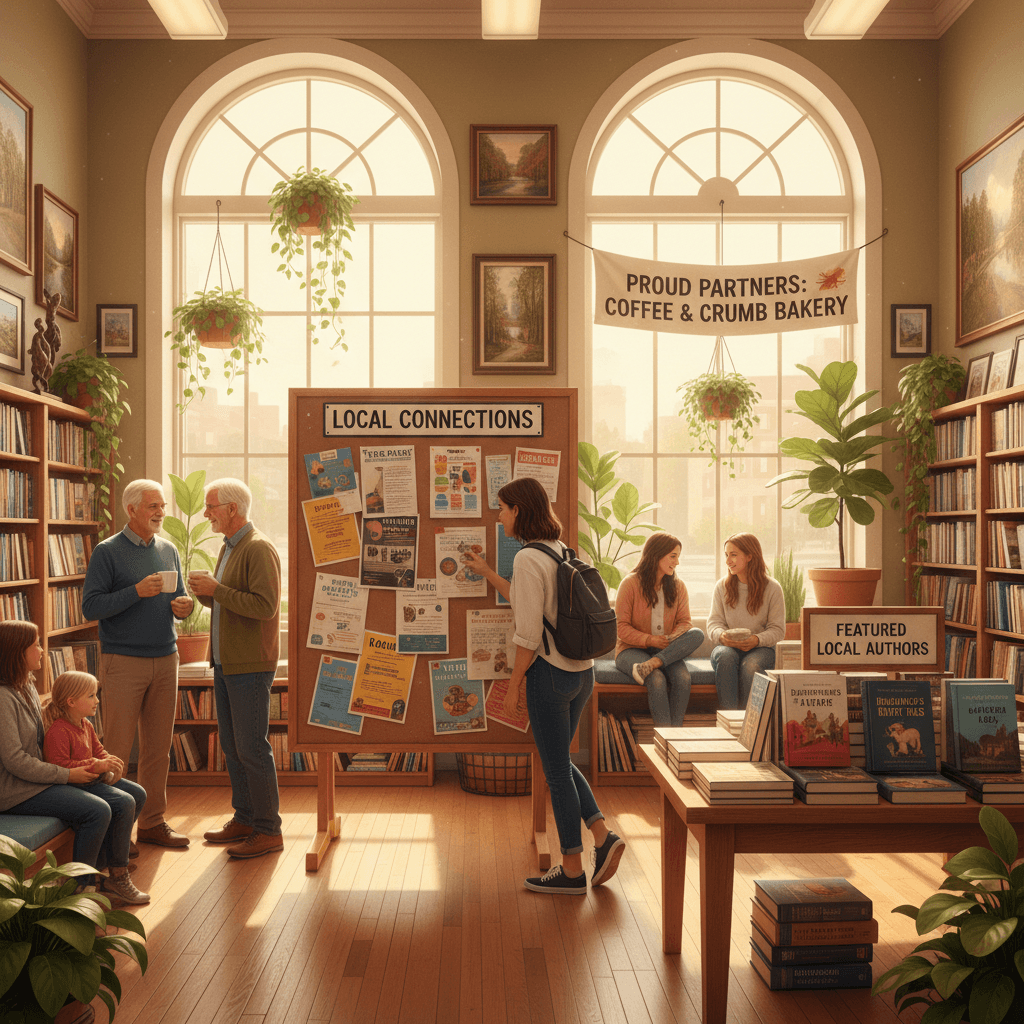
The Book Barn provides a physical refuge for the local community, offering an environment that naturally supports the deep reading processes discussed in the research. Our independent bookstore in Fillmore, Utah is designed as a sanctuary where the absence of digital notifications allows the brain to transition away from a skimming mindset. When you step into our space, you engage in the tactile exploration that helps anchor information in your long term memory.
Digital storefronts rely on algorithms to suggest your next title, but they cannot replicate the sensory experience of browsing physical shelves. Our curated selection of books includes everything from engaging children’s titles to specialized works on local Utah interests, allowing for a level of curiosity that a screen cannot satisfy. This physical interaction with a volume, including the scent of the paper and the weight of the spine, reinforces why print books better than digital reading are preferred for those seeking to improve their concentration. By joining us for community events, you can reconnect with the local reading culture and practice the cognitive patience required for true literacy.
Frequently Asked Questions About Print vs Digital Reading
When evaluating whether books or screens are better for learning, the consensus among cognitive scientists points toward paper. Printed text facilitates deeper processing of information dense material because it eliminates the digital impulse to skim. While e-readers remain popular due to their portability and ability to store hundreds of titles in one device, they often sacrifice comprehension for convenience. E-readers attempt to mirror the experience of ink on a page, yet they lack the fixed spatial landmarks that help the brain organize information.
At our independent bookstore in Fillmore, Utah, we focus on providing a curated selection of books that allows for the focused engagement screens cannot provide. This distinction is why many readers find print books better than digital reading when they need to master a subject or fully immerse themselves in a story.
Scientific research identifies several key advantages to choosing physical pages:
Enhanced long term memory and retention of complex details.
Improved sleep quality due to the absence of melatonin suppressing blue light.
Significant reduction in digital eye strain and physical ocular fatigue.
Increased focus and the rebuilding of cognitive patience through a distraction free environment.
Lower cortisol levels and reduced stress through the ritual of tactile reading.
Higher levels of empathy and emotional connection to narrative characters.
Stronger spatial mapping of information, making it easier to recall specific passages.
Visit us during our next community events to discuss your favorite titles and experience the benefits of print firsthand.