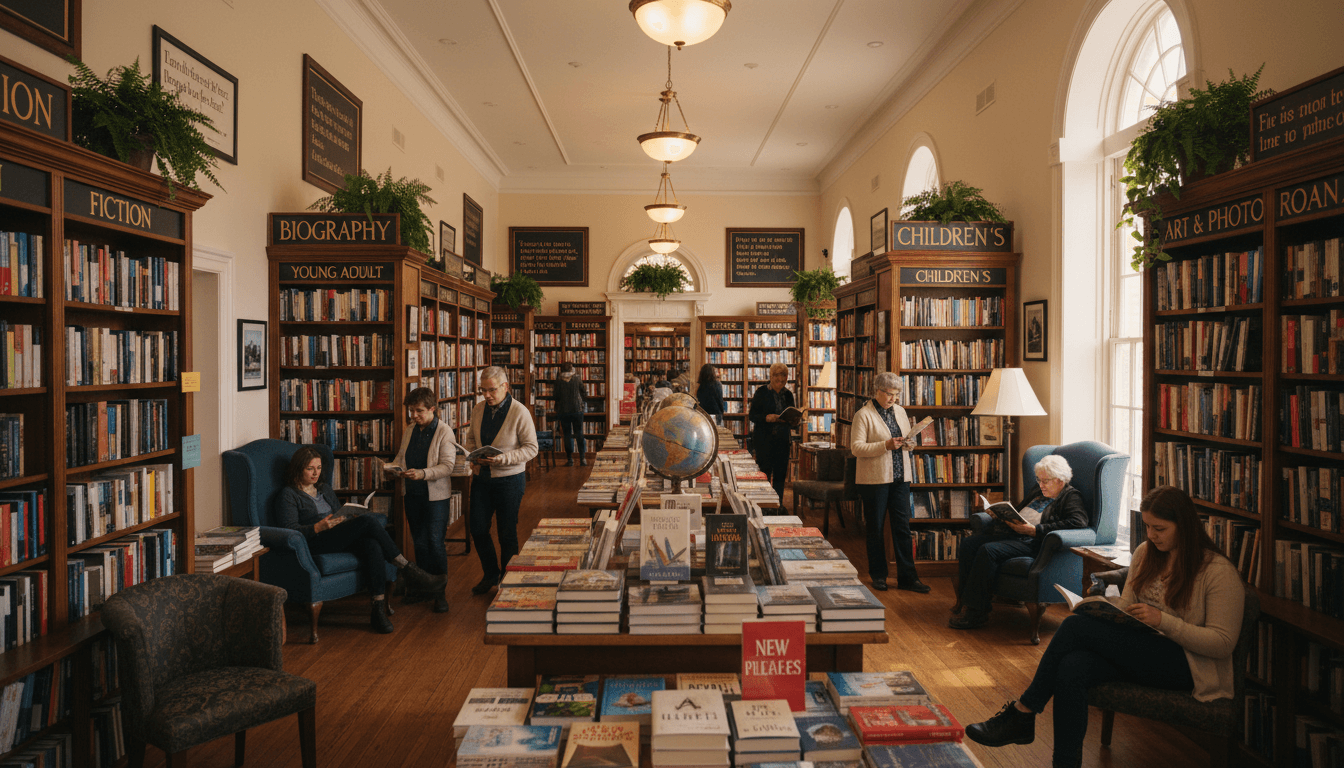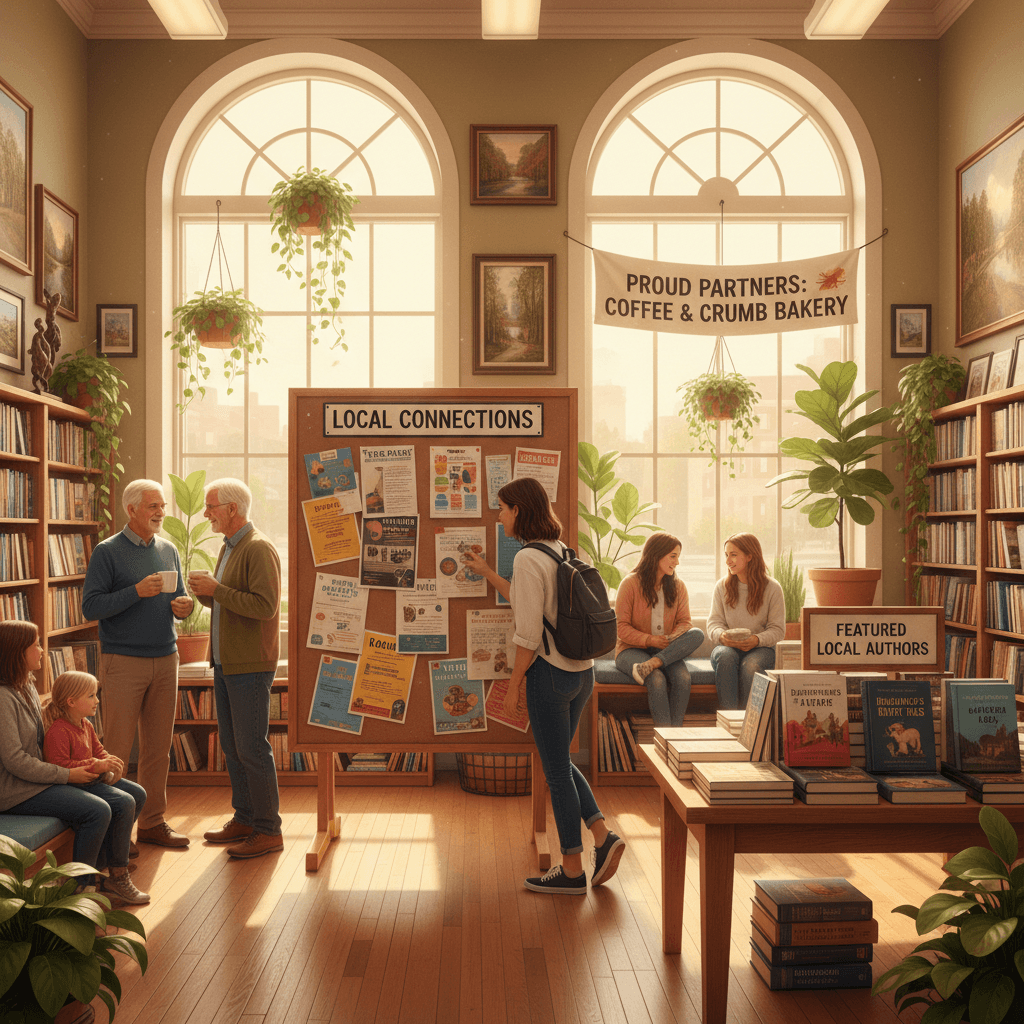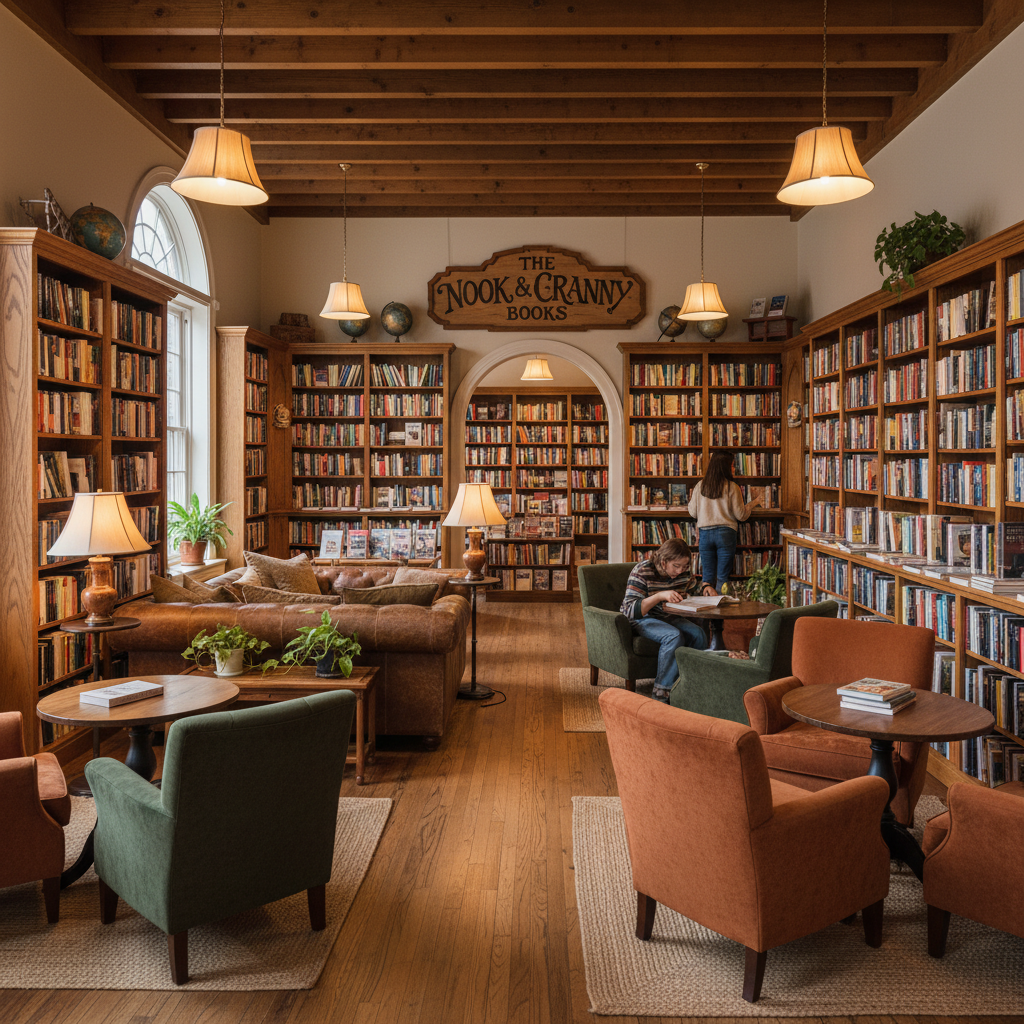
Independent bookstores are thriving due to their ability to offer personalized human curation and community-focused experiences that online algorithms cannot replicate. This sustained growth is driven by a significant rise in new store openings, cementing the independent bookstore comeback 2026 as a movement defined by local economic support and the unique value of physical discovery.
For years, readers have felt the weight of digital saturation and the hollow experience of algorithmic recommendations that never quite understand the nuance of personal taste. This persistent fatigue has reached a breaking point in 2026; consequently, we are witnessing a remarkable return to the tangible charm of the local bookseller. At The Book Barn, we recognize that a bookstore is far more than a simple retail space. It serves as a vital sanctuary for intellectual discovery and human connection. In this post, we will analyze the specific forces driving this industry revival. You will learn how expert human curation is successfully defeating the digital algorithm, why small towns are becoming the new epicenters for literary growth, and how the concept of the third place is rebuilding our social fabric. Finally, we will explore the economic necessity of shopping local to ensure these cultural pillars thrive.
The Surprising Resurgence of the Local Bookseller
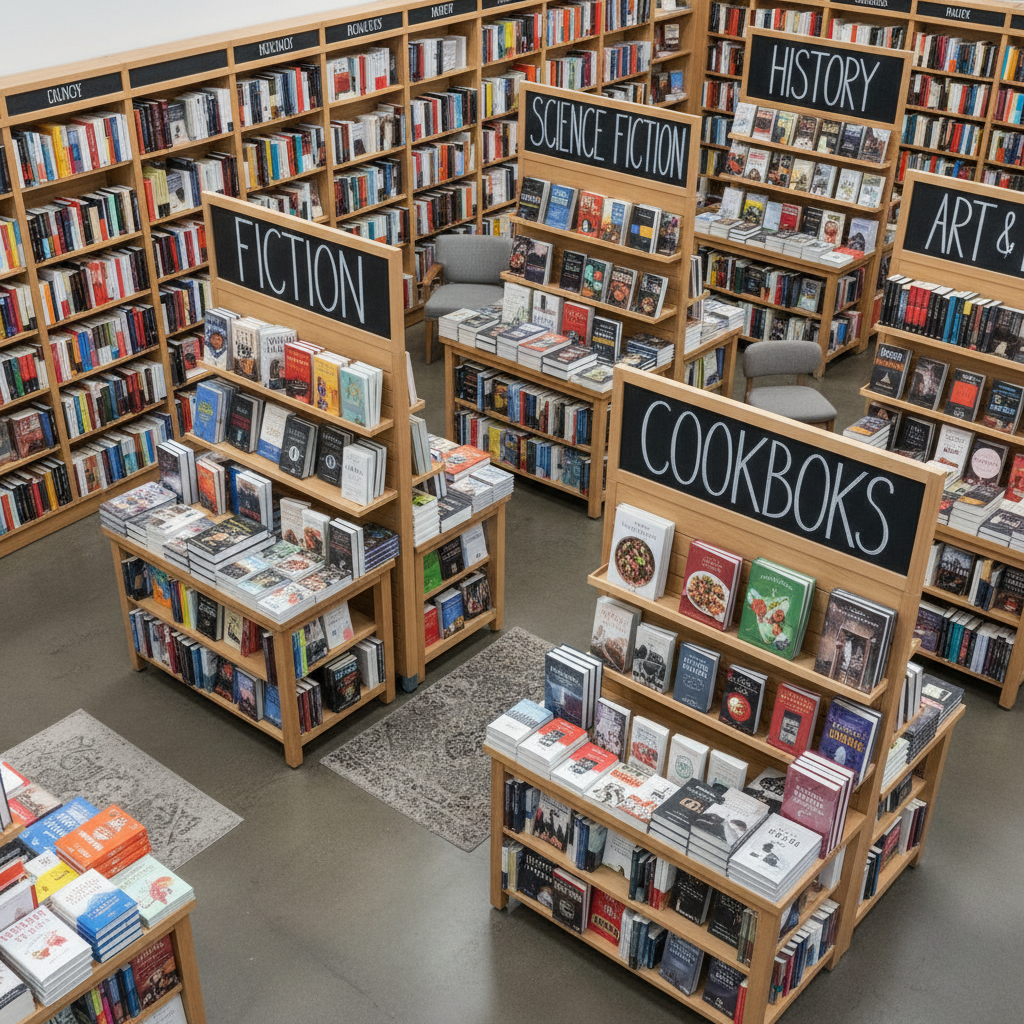
For years, conventional wisdom suggested that e-commerce and digital readers would eventually relegate physical bookstores to the history books. That narrative has officially been proven wrong. The American Booksellers Association reported that 422 new independent bookstores opened in 2025, representing a 31 percent increase over the previous year. When looking at the broader picture, the industry has seen a staggering 70 percent growth over the last five years.
This growth confirms that the independent bookstore comeback 2026 is not a momentary fluke or a nostalgic trend. Instead, it is the peak of a triumphant comeback for physical retail. Readers are moving away from the isolation of online shopping and returning to the tangible joy of the shelf. At The Book Barn, we witness this shift daily here in Fillmore. Our neighbors are not just seeking a transaction; they are looking for a curated selection of books and a space that fosters curiosity and learning. By hosting community events and providing a relaxed atmosphere for all ages, we aim to be more than just a shop. You can read more about our mission to understand how local anchors like ours are leading this national resurgence by prioritizing human connection over digital efficiency.
Human Curation: Defeating the Digital Algorithm
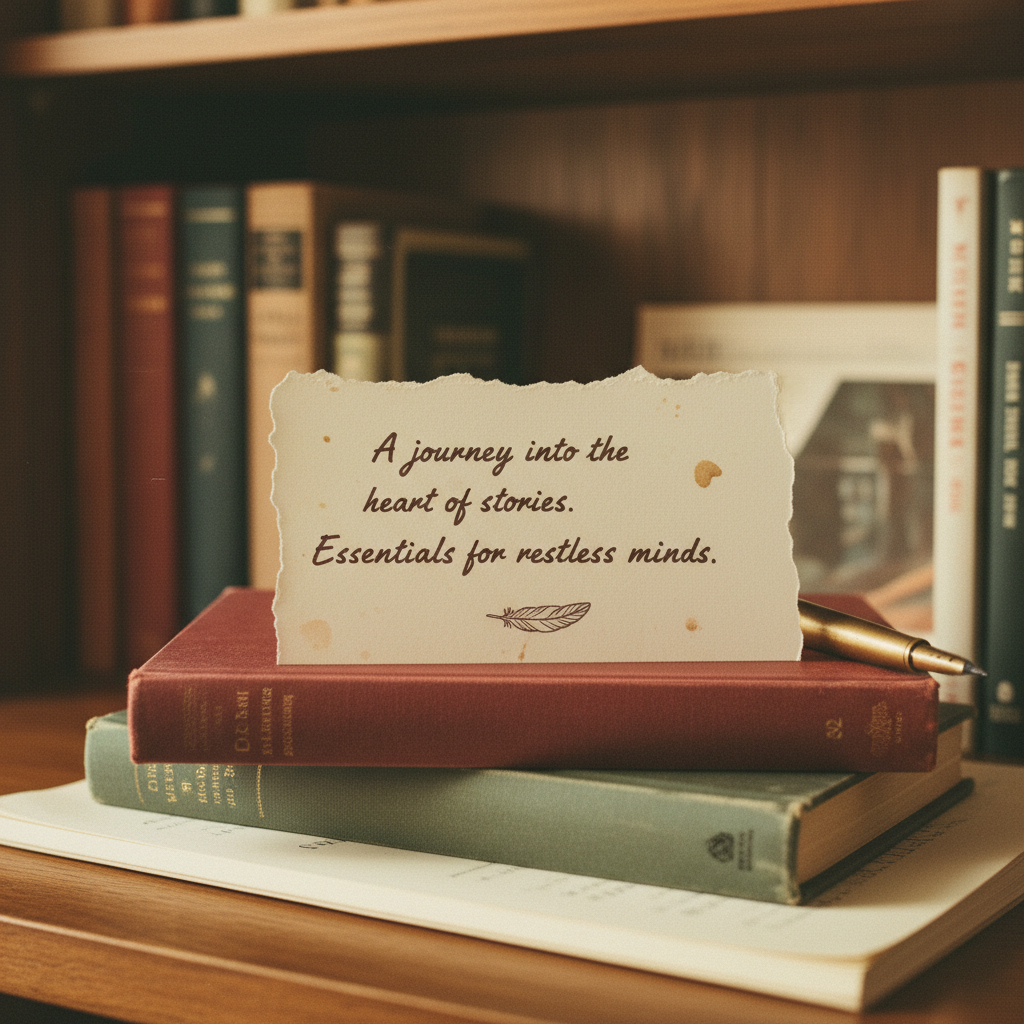
The primary driver behind this shift is what industry analysts call the death of the algorithm. For over a decade, online retail has relied on automated suggestions to predict reader interest. However, many readers have reached a state of digital fatigue. Automated "if you liked this" prompts often feel repetitive or sterile because they are based on purchase data rather than the emotional or intellectual resonance of a story. When a computer suggests a title, it is calculating a probability; when a bookseller suggests a title, they are sharing a discovery.
This craving for authenticity is the core of the independent bookstore comeback 2026. Browsing physical shelves allows for serendipity, which is the act of finding something wonderful you were not even looking for. In a physical space like ours, you might come in for a specific bestseller but leave with a hidden gem found on a nearby shelf. This organic discovery is impossible to replicate with a scroll bar.
At The Book Barn, we lean into this human element by offering a curated selection of books that reflects our own reading experiences. You will often see handwritten recommendation cards tucked beneath specific titles on our shelves. These shelf talkers are more than just notes; they are a symbol of a real person who read the book, loved it, and wants to tell you why. This level of expertise ensures that recommendations are grounded in the nuance of the writing rather than a spreadsheet. It turns a simple purchase into a genuine conversation between readers, creating a connection that no digital interface can match.
Why Small Towns are Leading the Bookstore Revival
While urban centers often grab headlines, the heart of the independent bookstore comeback 2026 is actually beating strongest in rural areas and suburbs. The economic landscape of small towns like Fillmore, Utah, provides a unique advantage for the physical bookshop. Lower overhead and more manageable rents allow independent owners to prioritize literacy and community over high-volume retail metrics. This financial flexibility means we can maintain a curated selection of books that specifically reflects the interests of our neighbors, rather than following a corporate planogram designed in a distant city.
In many rural communities, there is a high demand for a cultural anchor. While metropolitan areas have an abundance of museums, libraries, and galleries, small towns often face a gap where social gathering spaces are scarce. The Book Barn serves as more than just a storefront; it is a vital piece of social infrastructure. By providing a relaxed space that encourages curiosity, we fill a void that digital retailers ignore. This role as a community hub is central to about our mission here in Fillmore. We understand that in a town our size, the bookstore is one of the few places where residents of all ages can gather, learn, and imagine together. In these settings, a bookstore is not a luxury retail option; it is an essential resource for local connection and education.
The Third Place: Building Community in Fillmore
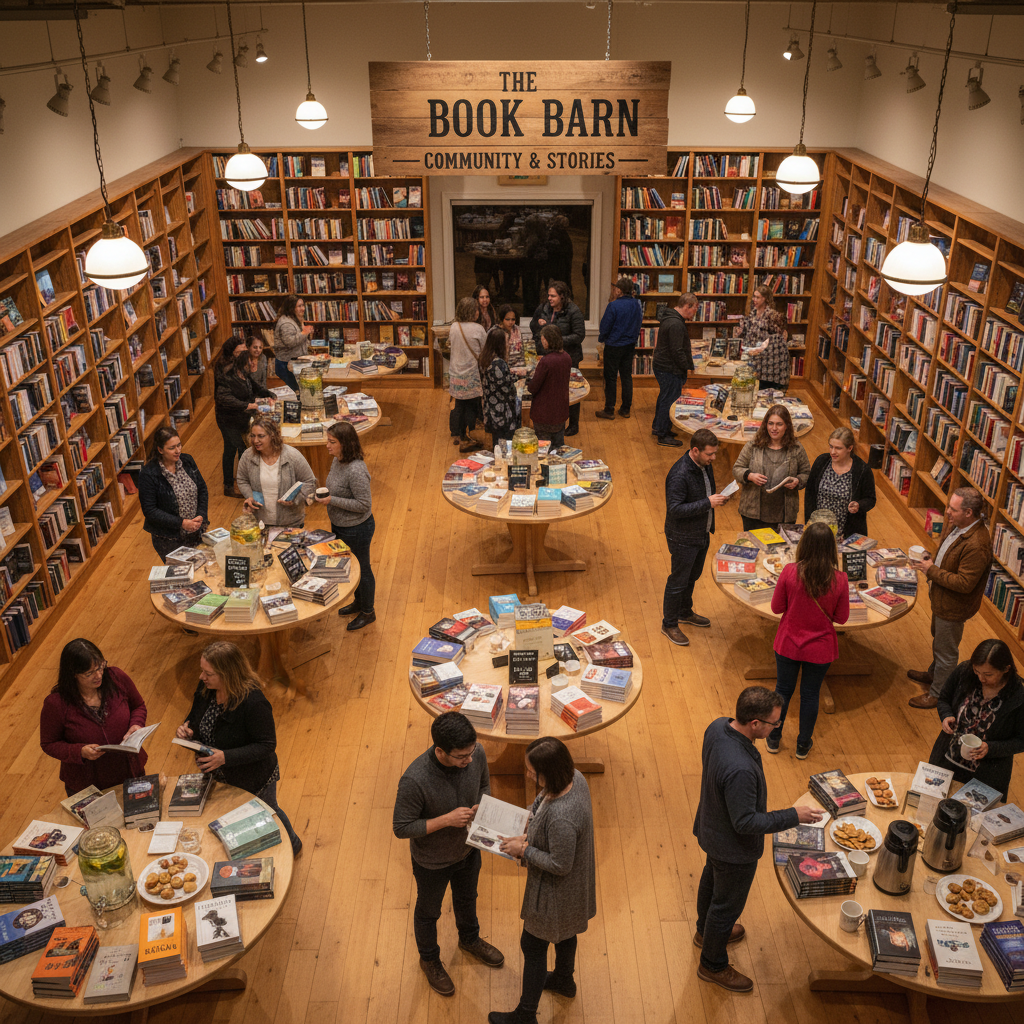
Sociologist Ray Oldenburg introduced the concept of the Third Place to describe those essential social environments that exist outside the home and the workplace. These are the neutral grounds where neighbors connect, exchange ideas, and feel a sense of belonging. As digital life becomes increasingly isolating, the independent bookstore comeback 2026 has reclaimed this vital role in small towns. While an e-commerce giant can ship a parcel, it cannot host a live conversation or provide a comfortable chair for a quiet afternoon of browsing.
At The Book Barn, we intentionally design our space to be more than a retail outlet. We host a variety of community events, including children’s story times that spark early literacy and local book clubs that challenge adult perspectives. These experiences provide a level of social engagement that a Buy Now button can never replicate. In our aisles, the act of selecting a title becomes a shared activity rather than a solitary transaction. This shift toward communal reading is a primary driver behind the renewed interest in physical shops.
Our commitment to Fillmore is central to about our mission. We focus on providing a relaxed, inviting atmosphere where curiosity and learning are encouraged for readers of all ages. This includes maintaining comfortable browsing areas where neighbors can meet by chance and discuss their latest finds. By offering a curated selection of books that invites exploration, we serve as a cultural anchor for the local area. This human connection is what turns a simple storefront into a community hub; ensuring that literacy remains a collective experience rather than a private hobby.
Print vs Digital: The Tactile Shift in 2026

The shift toward communal reading naturally extends to the physical objects we hold. Many readers ask if it is better to read books in print or digitally. While e-readers offer convenience, recent data shows a clear preference for paper. In 2025 alone, print book sales increased by 57 million units. This surge is a major driver of the independent bookstore comeback 2026.
Reading on paper provides superior sensory engagement and improved reading comprehension compared to scrolling on a backlit screen. Physical pages allow for tactile memory; readers often remember the location of a passage on a specific page, which aids in deep learning and retention. Choosing a physical book also serves as a necessary digital detox in an era of constant notifications and blue light exposure.
At The Book Barn, we see our neighbors prioritizing this tactile experience to combat screen fatigue. Our curated selection of books focuses on titles that people want to own, display, and eventually share. In 2026, a well-stocked bookshelf has become a meaningful way to signal personal identity and values. It acts as a physical map of an individual's intellectual journey. This return to tangibility is central to about our mission, as we help Fillmore residents rediscover the quiet, focused joy that only a physical volume provides.
The Economic Impact of Shopping Local
The multiplier effect describes how local spending creates a ripple of economic benefits throughout a specific region. When a reader buys from The Book Barn, a larger portion of that dollar stays within Millard County compared to a purchase made through a national digital conglomerate. This recirculation occurs because local businesses are more likely to procure services, such as maintenance or professional consulting, from other nearby vendors.
This fiscal reality is a driving force behind the independent bookstore comeback 2026. Local spending sustains jobs for our neighbors and provides a platform for Utah authors to reach a dedicated audience through shelf placement and signings. Furthermore, the sales tax generated here directly supports Fillmore’s infrastructure and public services. By prioritizing our curated selection of books, patrons are not just buying stories; they are investing in the town's prosperity. This cycle of support allows us to continue offering free community events and remains a core tenet about our mission to keep Fillmore a vibrant place to live and learn.
How to Support the Independent Bookstore Movement
The continued success of the independent bookstore comeback 2026 depends entirely on the active participation of the community. While purchasing a new title is the most direct way to help, there are several practical ways to ensure the longevity of local shops like ours.
Engagement goes beyond the checkout counter. One of the most impactful actions you can take is attending community events. Participating in a Saturday morning story time or joining a monthly book club discussion ensures the shop remains a vibrant social hub. Additionally, word-of-mouth recommendations are invaluable in a town like Fillmore. Simply telling a neighbor about a specific find from our curated selection of books or sharing a photo of your latest read on social media helps bridge the gap between digital discovery and physical browsing.
Mark your calendar for Independent Bookstore Day in April 2026. This event serves as a national rally for readers to celebrate their local shops with exclusive items and special activities. By choosing to spend time and resources locally, you reinforce the goals mentioned in the section about our mission. A bookstore is a living entity that requires a dedicated audience to stay healthy; every visit helps keep the spirit of curiosity alive in our community.
Ultimately, the resurgence of independent bookstores proves that readers still value authentic connections and curated experiences over simple convenience. As the literary landscape continues to evolve, finding the right books for your collection can feel overwhelming. If you want expert help navigating these choices or building a meaningful library, our team is ready to guide you. You can learn more on our About page to see how we can help you find your next great read.