Banned books face significant censorship challenges with thousands of titles like Looking for Alaska being targeted for removal from public libraries and schools. Banned Books Week, taking place October 4 to 10, 2026, highlights the urgent need to protect the freedom to read while emphasizing the vital role of local bookstores in providing access to restricted literature.
Walking through our aisles, you expect the quiet hum of discovery, yet the growing list of restricted titles creates a distinct sense of unease for anyone who values intellectual liberty. You may feel frustrated by the increasing difficulty of finding diverse perspectives on library shelves or concerned about which voices are being silenced in your own community. This censorship matters because access to literature is the cornerstone of a functional society; it fosters the empathy and critical thinking necessary for growth. In this guide, we analyze the most challenged titles of 2026 and examine the specific motivations behind these modern bans. You will gain a clear understanding of the geographic impact across the United States. We also provide practical steps for supporting the freedom to read through your local independent bookstore, ensuring these essential stories remain available for every reader.
Understanding the Climate of Banned Books in 2026
The landscape of American literature in 2026 is marked by an unprecedented surge in challenges to the written word. This year, Banned Books Week centers on the urgent theme: "Let Books Be. Protect the Freedom to Read." This message highlights a growing tension between individual choice and systemic restriction. Data from PEN America reveals that nearly 23,000 book bans have occurred in public schools since 2021, signaling a significant shift in how communities access information and diverse perspectives.
While these figures are often framed as a national debate, the impact is felt most acutely in rural settings. In Fillmore and across Millard County, the availability of various stories is not just a policy discussion; it is a matter of local access. When titles are removed from institutional shelves, the role of an independent bookstore in Fillmore becomes essential for maintaining intellectual variety.
Protecting the freedom to read ensures that residents of all ages can explore a curated selection of books that reflect the complexity of the human experience. As we navigate this climate, our goal remains to foster curiosity and literacy without the constraints of external censorship. This ensures that every reader has the opportunity to decide for themselves which stories resonate with their own lives and values.
The Most Challenged Titles: A Banned Books List for 2026
Identifying the specific stories at the heart of this movement reveals a clear pattern in the types of narratives being scrutinized. The most challenged banned books of 2026 often share a common thread; they provide a voice to individuals who have historically been sidelined or marginalized. By examining the titles currently under the most pressure, readers can better understand the literary value these works offer to our community.
Sold by Patricia McCormick remains a frequent target for challenges due to its unflinching depiction of human trafficking. Written in spare, haunting verse, this novel is often contested for its mature themes, yet its literary merit is found in its ability to foster deep empathy for global social justice issues. It resonates with readers by giving a face to a systemic crisis, turning an abstract human rights violation into a deeply personal story of survival.
Similarly, Stephen Chbosky’s The Perks of Being a Wallflower continues to face scrutiny decades after its release. Often challenged for its depictions of drug use and sexual trauma, the book is a cornerstone of contemporary coming of age literature. It resonates because it addresses the complexity of mental health and the importance of finding a support system during the isolating years of adolescence. For many, it is the first time they see their own internal struggles reflected on the page.
The graphic memoir Gender Queer by Maia Kobabe is currently among the most targeted titles across the United States. While challenges often focus on the book’s illustrations, its value lies in providing a roadmap for self discovery and identity. For many readers, it serves as an essential resource for understanding non binary experiences, offering language and visibility to a community that is often misunderstood.
A surprising shift in the 2026 data involves the frequent targeting of fantasy titles, particularly those by Sarah J. Maas, such as A Court of Thorns and Roses and Empire of Storms. These books are often caught in the crosshairs because they bridge the gap between young adult and adult fiction. Despite the challenges, Maas’s work resonates through its themes of female agency, the processing of trauma, and intricate world building. Maintaining a curated selection of books that includes these titles ensures that readers can explore these complex themes in a safe, accessible environment.
Why Are Books Being Banned? Understanding the Reasons for Challenges
The motivations behind these challenges often fall into specific categories, primarily centering on LGBTQIA+ themes, discussions of race and racism, and broad claims of obscenity. These labels are frequently applied to works that provide visibility to marginalized communities or offer honest depictions of difficult historical realities. Understanding the why behind these movements requires looking beyond the labels and examining the actual sources of the objections.
Data from the American Library Association reveals a significant shift in the origin of these challenges. In 2025, 92 percent of book challenges were initiated by organized pressure groups or government officials, a sharp increase from 72 percent just the year prior. Less than 3 percent of these challenges originated from individual parents. This statistic highlights a fundamental difference between personal parenting and systemic censorship. When a parent decides a specific title is not the right fit for their own child, they are exercising a private choice that is a natural part of raising a family. However, when organized groups or officials seek the removal of banned books from public or school libraries, they are making that choice for an entire community, effectively gating access for every reader.
This systemic removal creates a vacuum in the local literary landscape. It often leads to a chilling effect where institutions might avoid acquiring a curated selection of books to circumvent controversy before it starts. By recognizing that these challenges are largely driven by coordinated groups rather than individual families, we can better appreciate the role of an independent bookstore in Fillmore as a space where information remains accessible. We focus on providing a broad range of perspectives, ensuring that the decision of what to read remains in the hands of the individual reader rather than a government entity or outside interest group.
The Freedom to Read: Why Independent Bookstores are Vital Defenders
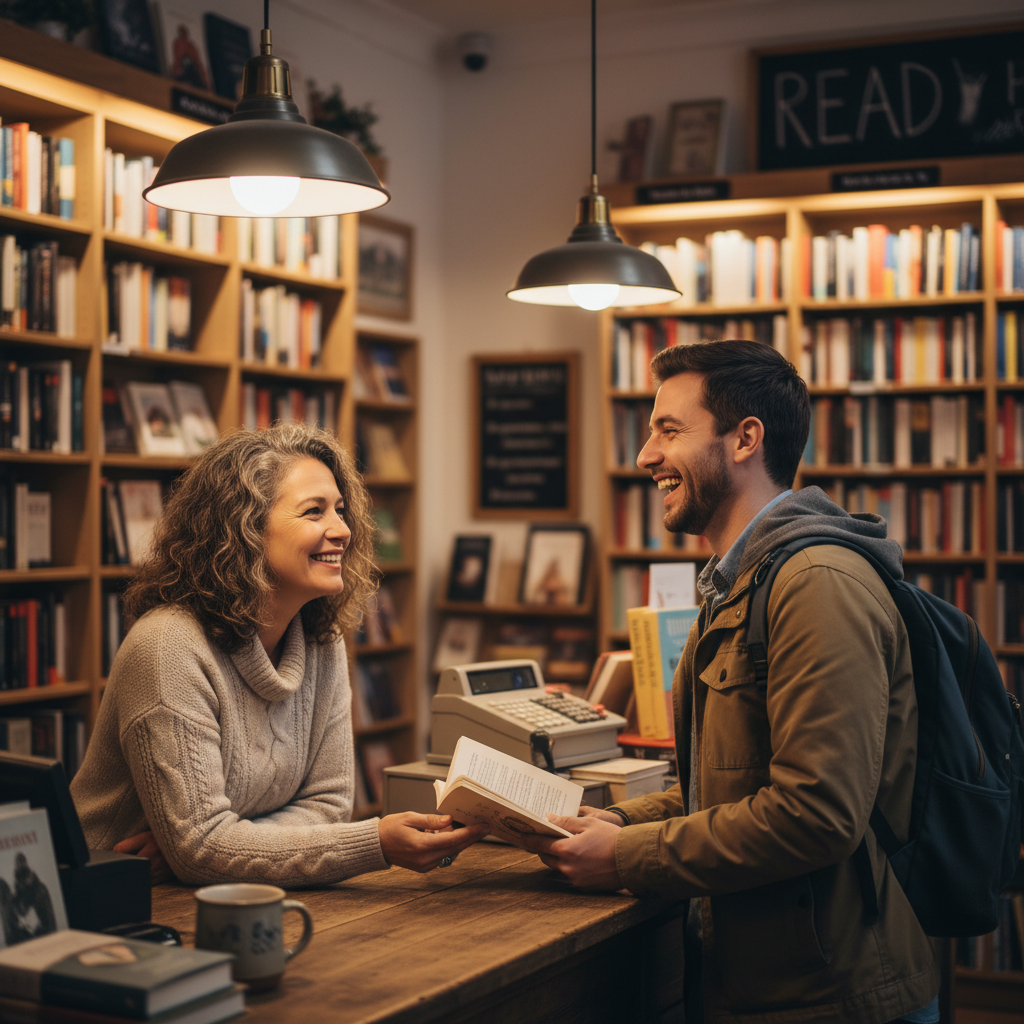
As public and school libraries face systemic challenges from organized pressure groups, the role of an independent bookstore in Fillmore evolves into a vital safety net for the written word. We recognize that when access to specific narratives is restricted in institutional settings, the bookstore becomes the primary space where the full breadth of the human experience remains available. This role is not about being provocative; it is about ensuring that a curated selection of books remains available to any reader who seeks them out.
We believe that a truly diverse library must include stories that are sometimes uncomfortable or complex. These narratives reflect the realities of the world and allow readers to develop critical thinking skills and empathy. In our Fillmore shop, we foster an environment that is intentionally relaxed and inviting. This atmosphere allows for genuine curiosity and learning without the fear of censorship or judgment that can sometimes accompany the search for banned books or controversial titles.
Accessibility is a cornerstone of our mission. We work to ensure our inventory is both accessible and affordable, recognizing that the freedom to read should never be restricted by a reader's financial situation. If a book is removed from a public shelf, we want to make sure it is still within reach for the local community. By maintaining a collection that includes both contemporary bestsellers and frequently challenged works, we protect the community’s right to choose their own reading material. This commitment transforms a simple transaction into an act of preserving local literacy and intellectual independence.
Which US States are Banning Books? The Geographic Impact
The trend of restricting literature follows a distinct geographic pattern, though its effects are spreading rapidly across the country. Data from PEN America identifies Florida as leading the nation in documented ban instances, followed closely by Texas. While these states often dominate the national conversation, the Intermountain West is experiencing its own wave of challenges. In Utah, legislative shifts and local school board pressures have significantly altered the landscape of available materials in public institutions.
When school libraries in Millard County face pressure to remove titles, the impact on local literacy is immediate. Students lose the ability to encounter diverse worldviews and complex histories within their daily learning environment. This shifts the responsibility of providing a curated selection of books to private spaces. For families in Fillmore, the presence of an independent bookstore in Fillmore acts as a critical counterweight to these restrictions. We serve as a primary resource for parents who want their children to have access to the full spectrum of modern literature, including frequently targeted banned books, regardless of what is currently permitted in school collections. By hosting local community events and maintaining an open inventory, we ensure that the geographic location of a reader does not dictate their intellectual boundaries or limit their curiosity.
How to Support the Freedom to Read in Your Local Community
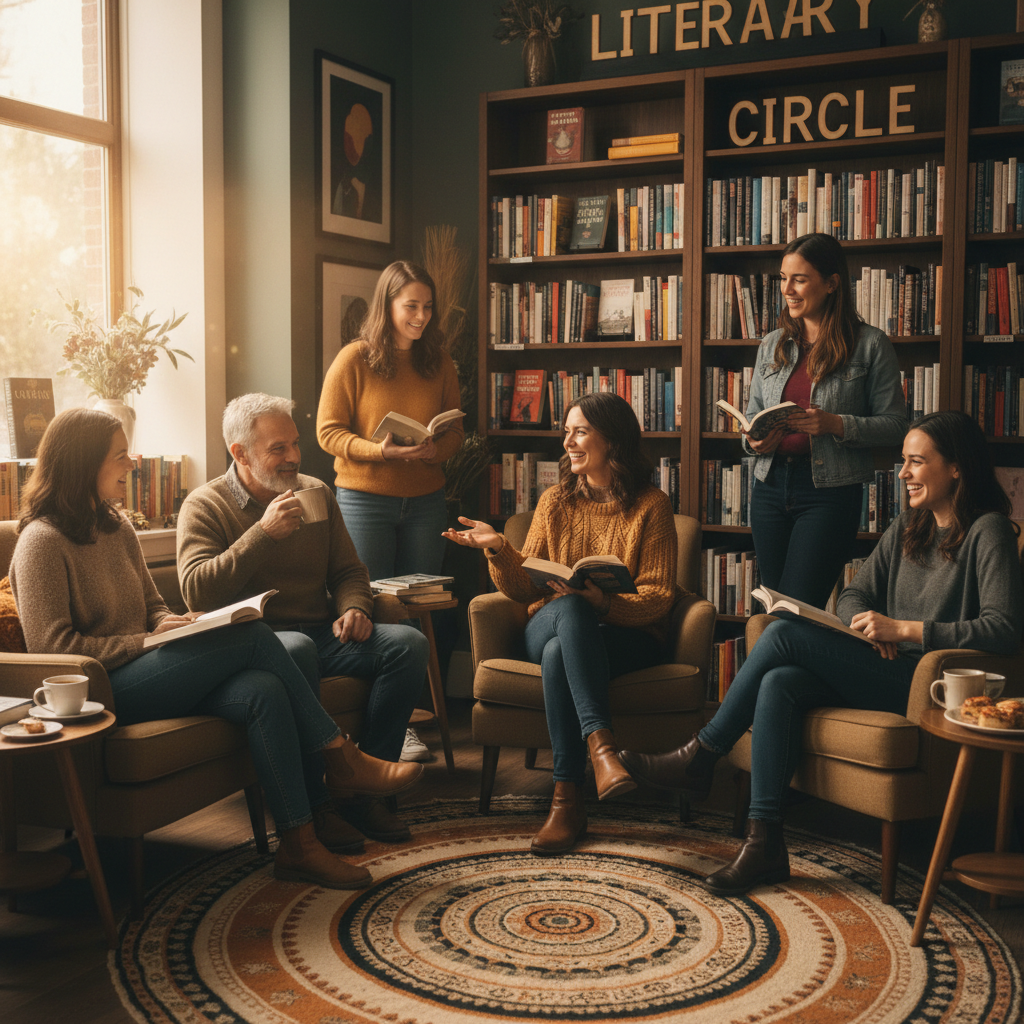
Supporting the freedom to read begins with intentional choices that preserve access to a variety of voices. Staying informed is the first step; organizations like the ALA Office for Intellectual Freedom provide updated reports on challenges, helping readers understand which titles are under pressure and why. Beyond monitoring statistics, the most effective support is active engagement. Reading a challenged book is a quiet act of advocacy that directly contradicts the goal of censorship. By exploring these stories, you validate the author’s perspective and your own right to choose what you learn.
Purchasing banned books from an independent bookstore in Fillmore ensures that these titles remain economically viable and available for the next reader. We prioritize maintaining a curated selection of books that includes these essential works, bridging the gap when institutional access is limited. Additionally, participating in local community events at The Book Barn helps build a network of readers committed to curiosity and imagination. These gatherings are more than just discussions; they are opportunities to foster the connections that keep a community vibrant and intellectually open. By showing up, buying local, and continuing to read broadly, you contribute to a culture that values literacy over restriction.