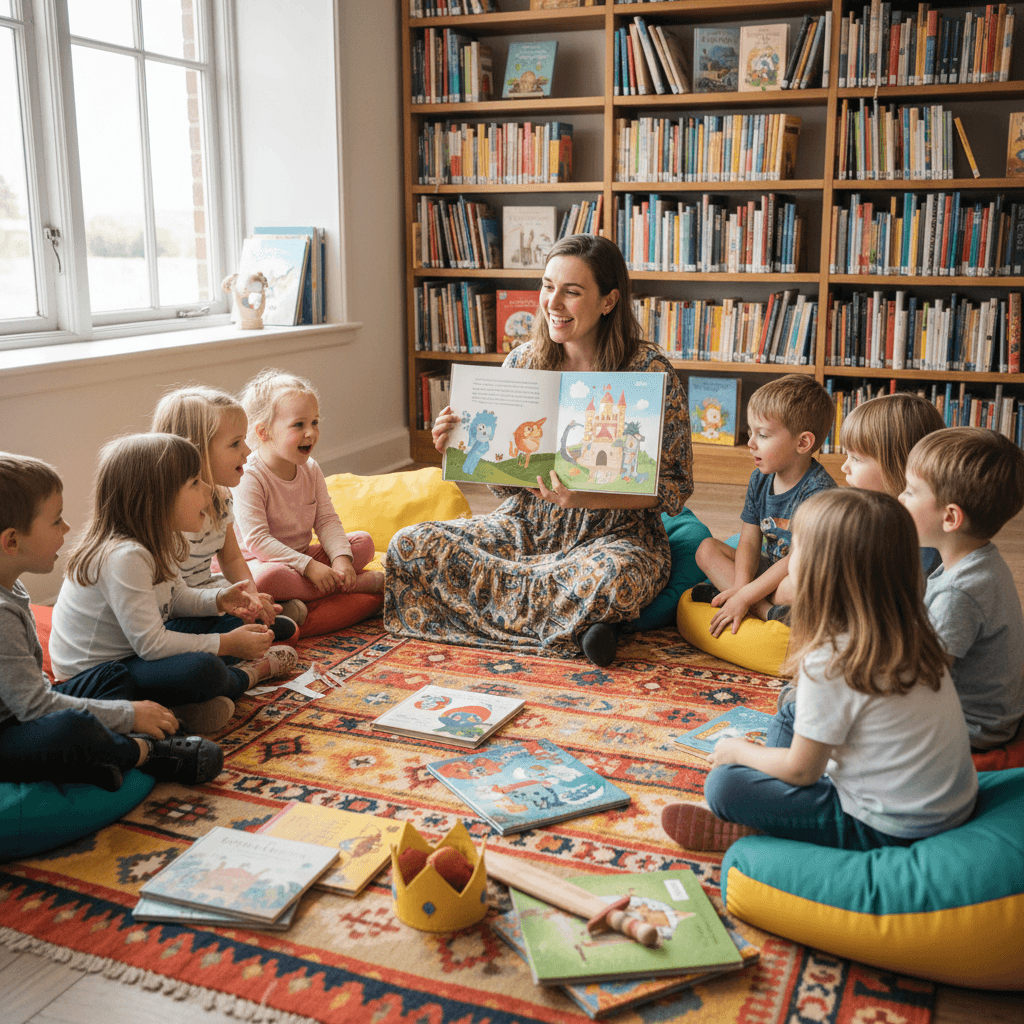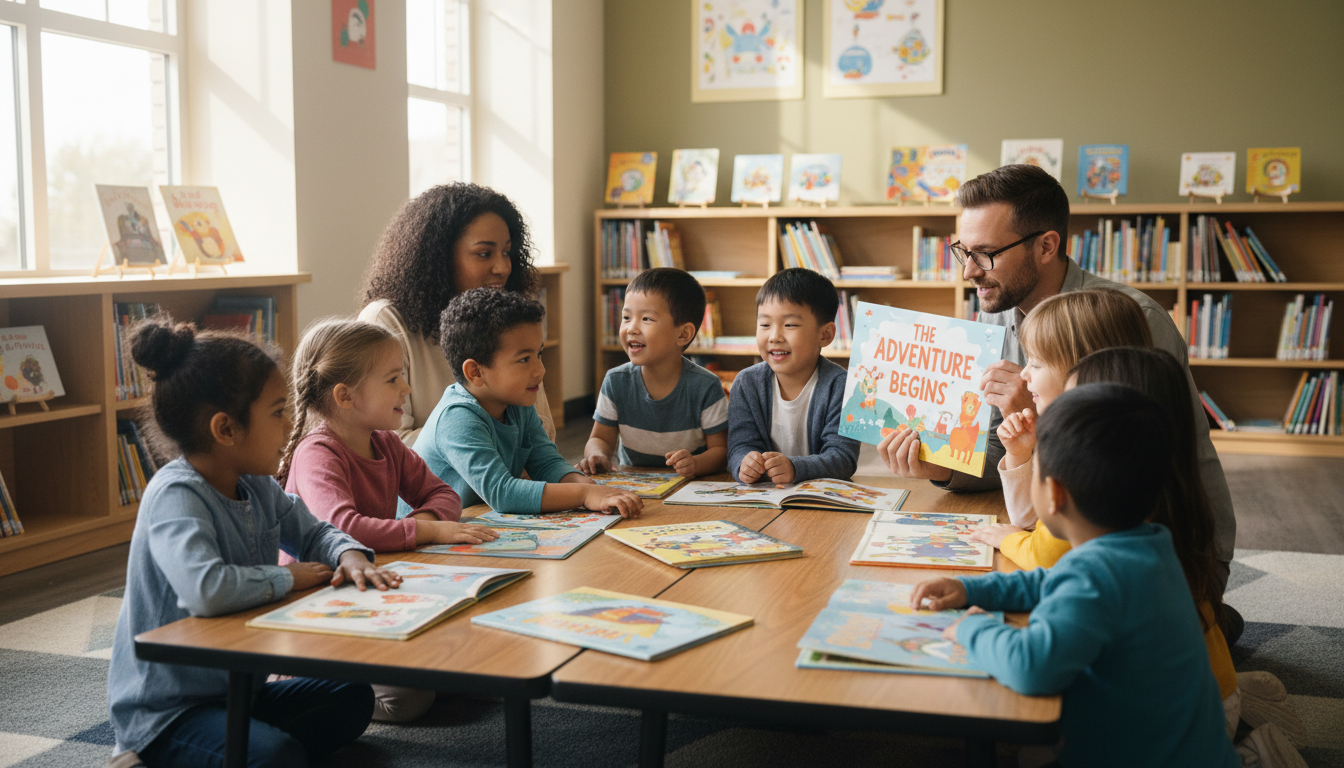
The best picture books for early readers feature a mix of timeless classics like Frog and Toad and Biscuit, as well as modern favorites such as Last Stop on Market Street and The Dot. These expert-recommended titles focus on age-appropriate themes and simple vocabulary for children aged four to six; they provide an ideal foundation for developing essential literacy skills. Including diverse genres and captivating illustrations ensures that young students remain engaged while building their reading confidence.
Watching your child struggle with a book that is either too complex or insultingly simple is a common frustration for parents. That delicate transition from listening to stories to decoding them independently often feels like a difficult balancing act. At The Book Barn, we frequently encounter families searching for that elusive middle ground where beautiful illustrations meet accessible text. This stage is pivotal because the right selection builds confidence, while the wrong one can inadvertently stall progress. In this guide, we have curated the best picture books and early readers for children aged four through seven. We will explore how to identify the shift in reading levels, the growing appeal of graphic novels, and practical methods like the 5 Finger Rule to ensure your child finds their perfect match. We have also included advice for finding these essential titles right here in Fillmore.
Understanding the Shift from Picture Books to Early Readers

When walking through the aisles of our independent bookstore in Fillmore, parents often ask how to spot the difference between a traditional picture book and a designated early reader. While they look similar on the shelf, their technical construction serves two very different stages of literacy.
A standard picture book is generally intended for an adult to read to a child. These books often feature complex vocabulary, sophisticated sentence structures, and artistic fonts that may be stylized or intertwined with the illustrations. The goal here is language immersion and storytelling. In contrast, early readers are engineered for the child to navigate the text independently. These books utilize decodable text, which means the words follow predictable phonetic patterns that beginning readers can sound out with their current knowledge.
Feature | Picture Books | Early Readers |
|---|---|---|
Primary Audience | Adult reading to child | Child reading to adult or self |
Vocabulary | Rich, varied, unrestricted | Controlled, high-frequency words |
Font Style | Artistic or varied | Large, clear, consistent |
Text Placement | Often over illustrations | Set against plain white space |
Publishers help bridge this gap with leveled systems, such as the I Can Read or Step into Reading series. These labels signify that the book has undergone a specific editorial process to ensure the word count and sentence length match a child's developing skills. Finding the best picture books for early readers involves looking for these structural cues to ensure the child feels successful rather than overwhelmed by the mechanics of the page.
Best Picture Books for Emerging Readers Ages 4 and 5
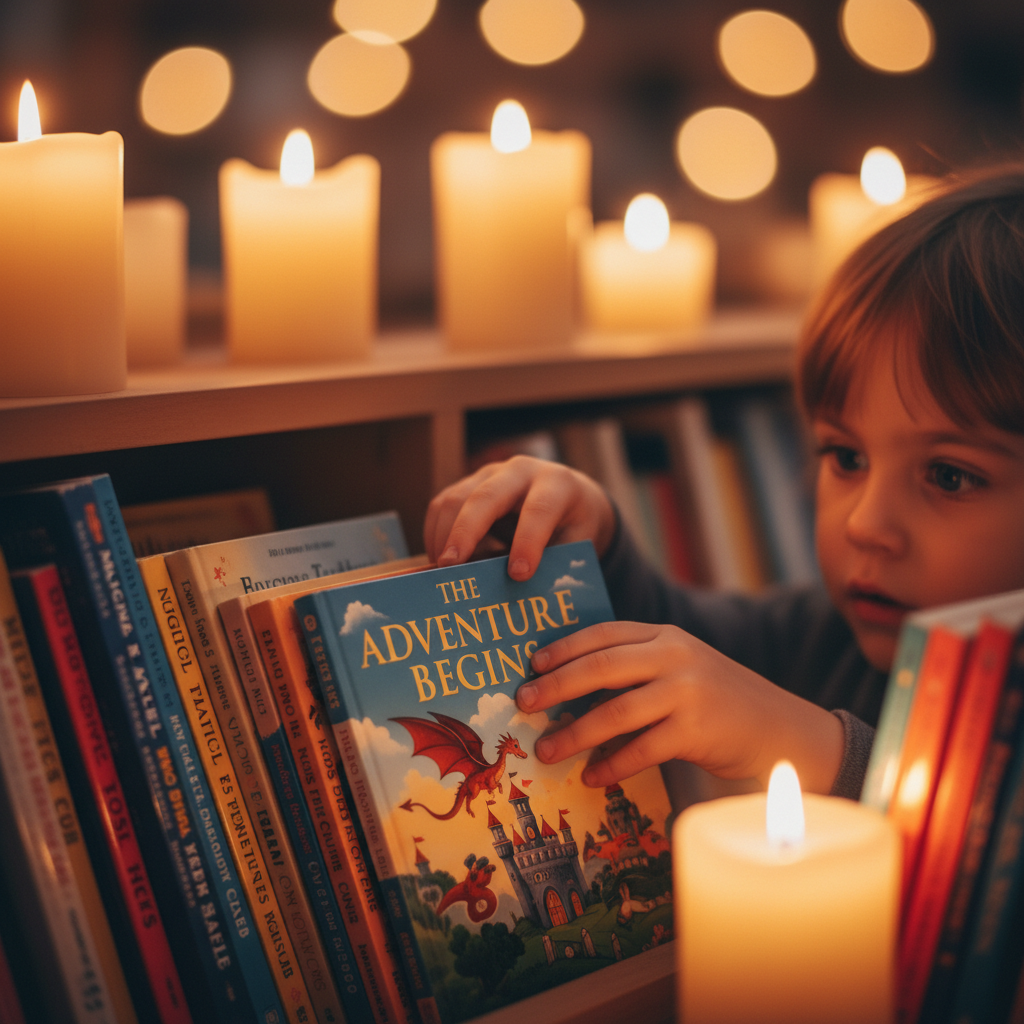
For children ages 4 and 5, the line between listening and reading is beautifully blurred. At this developmental stage, literacy often begins with "picture-walking," a process where a child looks at the illustrations to predict the story's progression and narrative flow. While it may look like the child is merely looking at drawings, they are actually practicing vital comprehension skills. Memorization is another key component; when a child recites a familiar book from memory, they are building the confidence needed to eventually tackle the phonetic decoding of the words on the page.
The best picture books for early readers in this age group rely heavily on high repetition, rhythmic language, and strong visual cues. Books like Biscuit by Alyssa Satin Capucilli are quintessential examples. The text is simple, the "woof" responses are predictable, and the illustrations directly mirror the action. This allows the child to feel like a successful reader from the very first page.
Mo Willems’ Elephant & Piggie series is another essential for the preschool and kindergarten shelf. These books use speech bubbles to introduce the concept of dialogue and character voice. The minimalist backgrounds ensure the child focuses on the characters' expressive faces, which provide crucial context clues for the short, punchy sentences. By focusing on the emotion of the characters, children learn to read with expression even before they have mastered every sight word.
Book Title | Literacy Focus | Why It Works for Ages 4-5 |
|---|---|---|
Biscuit | Repetition | Predictable text builds confidence and sight word recognition. |
Today I Will Fly! | Dialogue | Speech bubbles clearly delineate who is speaking. |
Go, Dog. Go! | Concepts | Uses basic prepositions, colors, and sizes to build vocabulary. |
The Dot | Visual Cues | Encourages interpretation of art and abstract thinking. |
When browsing our curated selection of fiction, look for titles where the text and the art work in tandem. If a child can tell you what is happening in the story just by looking at the pictures, they are mastering the foundational steps of reading. These early wins prevent the frustration that can sometimes occur when children first encounter more text-heavy books.
Top Reading Picks for Kindergartners and First Graders Ages 6 and 7
As children move into kindergarten and first grade, the focus of literacy shifts from basic sound recognition to building reading stamina and narrative comprehension. At ages 6 and 7, the best picture books for early readers are those that provide enough challenge to grow their vocabulary while maintaining a high level of engagement to prevent frustration. This is the stage where children begin to transition from being read to, toward navigating complete story arcs on their own.
Confidence is the primary goal for this age group. Books like Tedd Arnold’s Fly Guy series are exceptionally effective because they use exaggerated, humorous illustrations to support a text that is slightly more complex than the Biscuit books of earlier years. For pure engagement, The Book with No Pictures by B.J. Novak is a local favorite. It shifts the child's perspective on what a book can be, demonstrating that words alone can create a compelling (and hilarious) experience, which is a vital realization before they move toward text-heavy chapter books.
When parents ask what are good picture books for 7 year olds, we often point them toward "bridge books" that sit between traditional picture books and early chapter books. Arnold Lobel’s Frog and Toad Are Friends is the gold standard for this transition. The stories are broken into short, episodic chapters, allowing a child to finish a complete narrative in one sitting. This builds the sense of accomplishment necessary to tackle longer works later on.
Book Title | Literacy Development Focus | Why It Works |
|---|---|---|
Frog and Toad Are Friends | Narrative Structure | Short, manageable chapters build reading stamina. |
Dragons Love Tacos | Vocabulary Expansion | Introduces descriptive adjectives through humor. |
Fly Guy | Word Recognition | High-frequency words paired with slapstick visuals. |
The Book with No Pictures | Concept of Text | Focuses on the power of words without visual aids. |
For vocabulary expansion, Dragons Love Tacos is an excellent choice within our curated selection of fiction. It uses more sophisticated phrasing than standard early readers, encouraging children to use context clues to understand new words. These selections at our independent bookstore in Fillmore ensure that 6 and 7-year-olds feel like capable readers, even as the stories become more complex.
The Rise of Graphic Novels for Beginning Readers
Many parents visiting our independent bookstore in Fillmore ask if graphic novels count as "real" reading for their children. The answer is a definitive yes. For a child transitioning from simple sentences to more complex narratives, the graphic novel format provides a unique scaffolding that traditional prose lacks. Titles like Narwhal and Jelly by Ben Clanton or the Pizza and Taco series by Stephen Shaskan use a multi-modal approach, requiring the reader to synthesize text and imagery simultaneously.
The panel structure is particularly beneficial for developing reading comprehension. As children follow the sequence of boxes, they learn to track narrative flow and timing. Visual cues within the artwork, such as a character’s exaggerated facial expression or a specific action, offer immediate context for new vocabulary words. This reduces the cognitive load on the reader, allowing them to focus on decoding without losing the thread of the story.
Title | Series Type | Literacy Strength |
|---|---|---|
Narwhal and Jelly | Early Graphic Novel | Uses humor and repetitive structures to build confidence. |
Pizza and Taco | High-Interest Graphic | Short dialogue bursts and bold visuals for reluctant readers. |
Baloney and Friends | Character-Driven | Introduces social-emotional nuances through visual storytelling. |
When you browse our curated selection of fiction, you will find that these books bridge the gap between basic picture books and middle-grade novels. They turn reading into a visual puzzle that feels like play, which is often the key to fostering a lifelong love of books. By treating illustrations as equal to the text, graphic novels allow beginning readers to tackle more sophisticated plotlines than they might be able to handle in a standard text-only format.
How to Choose the Right Book: The 5 Finger Rule and More

Beyond format, the technical difficulty of a book determines if a child feels like a scholar or a failure. When you browse the shelves at our independent bookstore in Fillmore, you can use the 5 Finger Rule to quickly assess any title. Ask your child to open to a random page in the middle of the book and start reading. For every word they do not know or cannot decode, have them hold up one finger.
Number of Fingers | Difficulty Level | Recommendation |
|---|---|---|
0 to 1 | Too Easy | Good for building speed and confidence. |
2 to 3 | Just Right | The "Goldilocks" zone for learning new skills. |
4 | Challenging | Best for a shared reading experience. |
5 or More | Too Hard | Likely to cause frustration; save for later. |
A book is technically too hard if there are five or more unknown words on a single page. At this threshold, the labor of decoding outweighs the pleasure of the story, which can discourage a budding reader. This rule is a practical way to ensure the best picture books for early readers actually match your child's current phonetic abilities.
Visual ergonomics are equally important. Look for books with generous line spacing and large, sans-serif fonts. Beginning readers often struggle with crowded pages; a high ratio of white space to text helps the eye track from left to right without getting lost in the middle of a paragraph. In our curated selection of fiction, we prioritize books that respect these visual needs, ensuring that the physical act of reading is as comfortable as the story is engaging.
Finding Affordable Early Reader Books in Fillmore
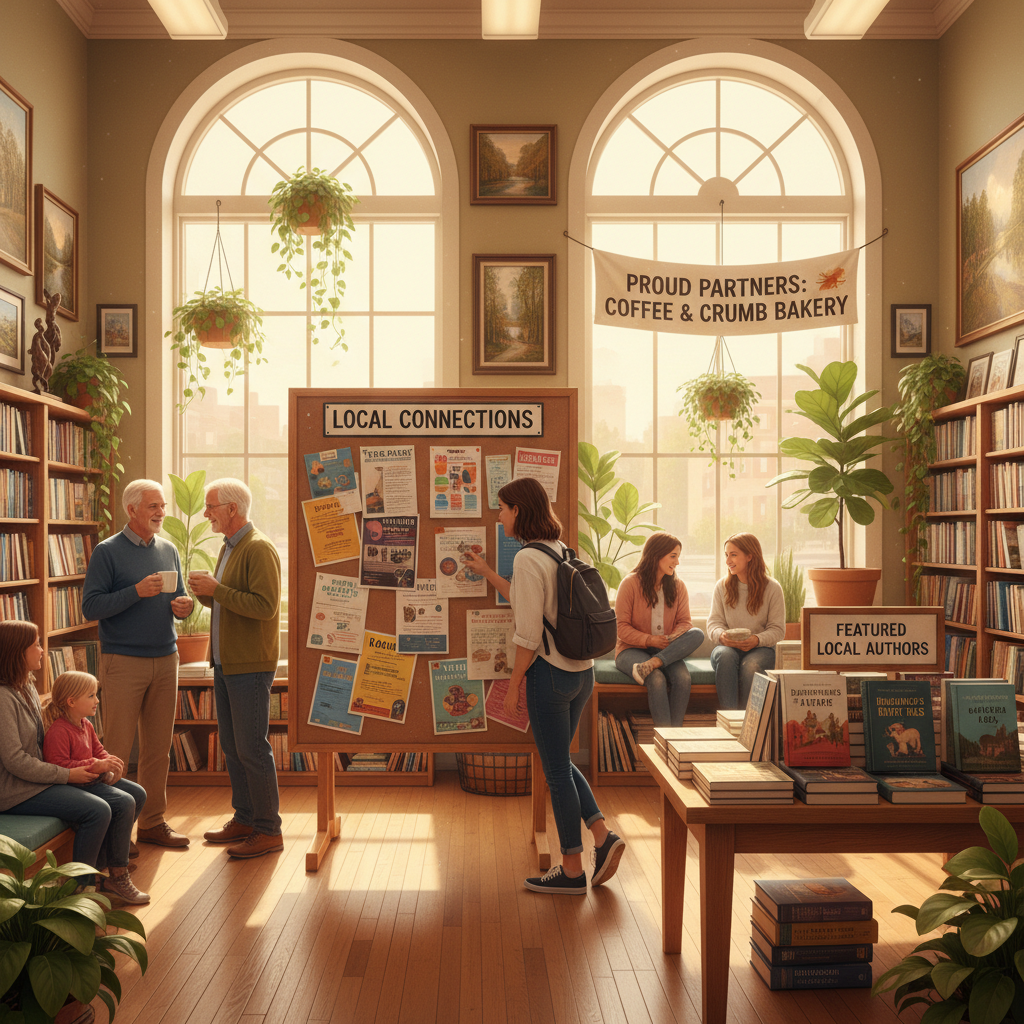
Finding the best picture books for early readers shouldn't feel like a chore in a massive warehouse. At The Book Barn, we recognize that Millard County parents need accessible, high-quality literature without the stress of navigating endless, unorganized aisles. Our independent bookstore in Fillmore offers a carefully vetted environment where every title on the shelf serves a purpose. We prioritize affordability, ensuring that building a home library is a realistic goal for every local family.
Service | The Book Barn Experience | Big Box Retailers |
|---|---|---|
Selection | Curated for developmental stages | Mass-market volume |
Staff Knowledge | Local experts who know your child's level | General retail associates |
Environment | Relaxed, curiosity-driven space | High-traffic, overwhelming aisles |
Focus | Literacy and community connection | Transactional sales |
Unlike larger retailers, our local staff understands the specific milestones of literacy. We can guide you toward our curated selection of fiction or non-fiction based on your child's unique fascinations. If your young reader is obsessed with prehistoric fossils, deep space exploration, or farm animals, we can pinpoint the exact reading level that will keep them engaged without causing the frustration mentioned in the 5 Finger Rule. Our space is designed for slow browsing and discovery, where curiosity is encouraged. Beyond the shelves, we host community events that celebrate the joy of reading, turning a simple shopping trip into a meaningful connection with other local families.
Selecting the perfect picture book is about more than just vibrant colors. It requires matching a child's developmental stage with stories that truly resonate. By focusing on age-specific themes and interactive elements, you can turn every reading session into a foundational learning experience. If you would like expert help in navigating our extensive collection, our team is always ready to offer recommendations. You can learn more about our story and our commitment to young readers to see how we can support your family's literary journey.